When getting over the tub wall becomes the most dangerous moment of the day, most families assume the fix is a bathroom renovation — weeks of construction, a demolished tub, and a bathroom out of service. There is a much lighter option that most people have never seen: converting the bathtub you already own. Here is how the two paths compare, and how to know which one your bathroom actually needs.
What is a walk-thru tub insert?
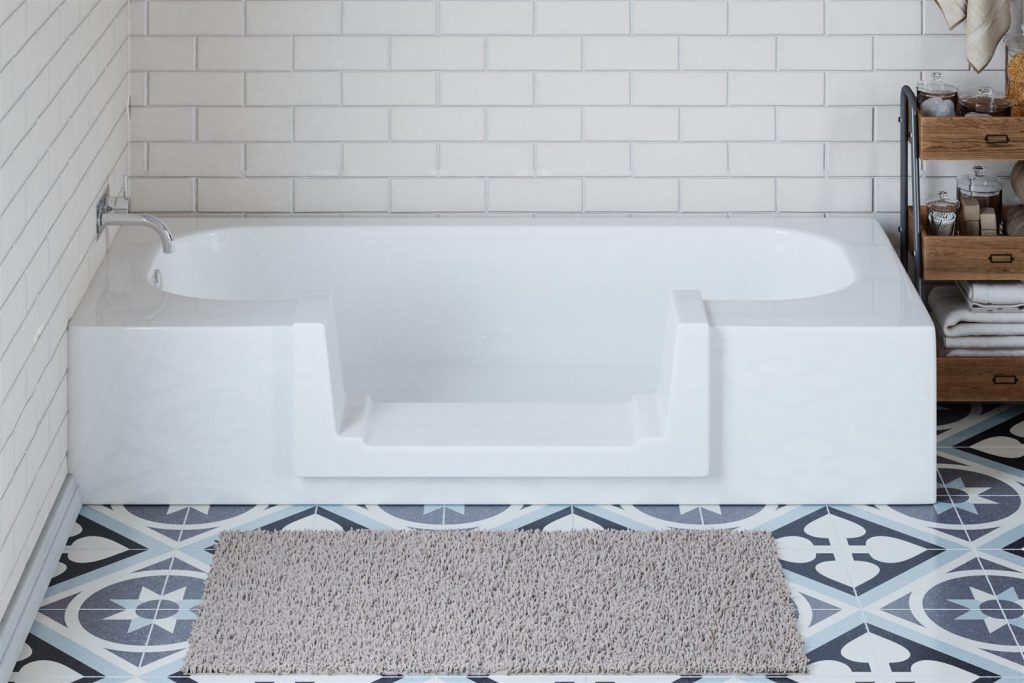
A Quick Tub walk-thru insert starts with the tub you have: a section of the tub wall is cut out, and a smooth, sealed insert is fitted into the opening. The result is a step-through doorway into your existing tub — used with your existing shower. The numbers that matter: it lowers the step-through by up to 12 inches and opens a full 24-inch-wide doorway — the widest walk-thru opening available. The surface is smooth, high-gloss and easy to clean, never textured. Inserts and caps are made in Canada from high-gloss ASA and LLDPE plastics.
How long does the conversion take?
About two hours, with no renovation — no demolition, no plumbing changes, no tile work, no days without a bathroom. Compare that with a conventional tub-to-shower renovation, which is a construction project: removal of the old tub, plumbing and substrate work, waterproofing, tiling and finishing, with the bathroom out of commission throughout.
What if someone still wants a full bath?
This is the part that surprises people: the conversion is reversible. The patented cap drops into the opening, the handles close, and your full bath is back — watertight and guaranteed not to leak. That matters in three situations we see constantly:
- Households that share a tub — one person needs step-in access, another still loves a soak, and grandchildren still get bath night.
- Resale thinking — the home keeps its bathtub, which many buyers with young children specifically look for.
- Changing needs — nothing has been demolished, so nothing is locked in.
When is a bigger renovation actually the right call?
An insert solves the tub wall. It does not widen a doorway for a wheelchair, create a roll-in shower, or add turning space. If wheeled access into the bathing space is the requirement — now or foreseeably — a wheel-in shower conversion or wider renovation is the honest recommendation, and we will tell you so at the assessment. For many households, though, the barrier really is just the 16 inches of tub wall, and removing 12 of them in an afternoon is the proportionate fix. Pair it with properly installed grab bars and bathing safety equipment and the whole room changes character.
Does any funding apply to bathroom accessibility?
Ontario’s Assistive Devices Program does not fund bathroom equipment — bath and shower aids and home renovations are on its exclusion list. But the federal Home Accessibility Tax Credit is squarely relevant here: the government’s own list of eligible renovation examples includes walk-in bathtubs, wheel-in showers and grab bars. A qualifying household — someone 65 or older, or eligible for the Disability Tax Credit — can claim up to $20,000 of eligible expenses per year, with the credit worth 14.5% for the 2025 tax year and 14% from 2026. March of Dimes Canada’s Home and Vehicle Modification Program also lists tub cut-outs among its funded modifications for lower-income Ontario households ($15,000 maximum, means-tested). Full details, program by program, live in our funding directory.
Quick answers
Does the insert work with any bathtub?
Will it leak?
Is my shower affected?
Can it be undone if we sell the house?
The right answer depends on the person, the bathroom and the years ahead — which is exactly what a free in-home assessment is for. One visit can also cover the stairs, since most of our bathroom customers ask about a stairlift next.