The most common funding misunderstanding we hear in the showroom goes like this: “The government program will cover my stairlift, right?” Usually the program being imagined is Ontario’s Assistive Devices Program — and usually the answer is no. ADP is a genuinely good program, but it funds a specific list of devices, and some of the most important home accessibility equipment is not on it. Here is what each major route actually covers, verified against the programs’ own published rules.
What does ADP cover — and how much does it pay?
The Assistive Devices Program pays 75% of the approved price of eligible devices, with the client paying the remaining 25%. If you receive Ontario Works, ODSP or Assistance for Children with Severe Disabilities, ADP covers 100%. For the mobility equipment we supply, the eligible list includes:
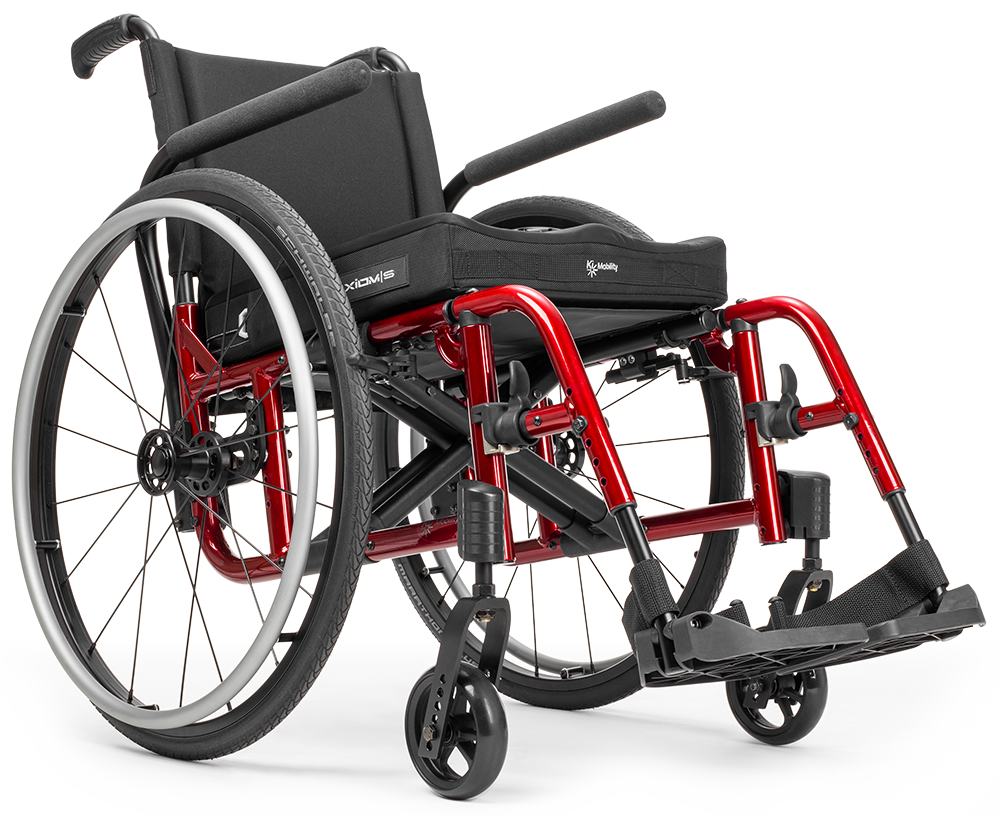
- Manual wheelchairs, power wheelchairs and power scooters
- Power add-ons for manual chairs — see power assist devices
- Positioning devices such as cushions and back supports
- Forearm crutches and wheeled walkers — note that non-wheeled walkers and standard canes are explicitly not covered
Eligibility is simple and is not income-tested: an Ontario resident with a valid health card and a physical disability requiring the equipment for six months or longer, assessed by an ADP-registered clinician, purchasing through an ADP-registered vendor. We are that vendor, and our ADP guide walks the whole process step by step.
What does ADP not cover?
ADP’s own published exclusion list names, among other items: stair lifts; chair lifts or any lifting devices; home renovations including ramps and porch lifts; bath and shower aids; grab bars; raised toilet seats; and hospital beds and mattresses. Walk-in tubs and home elevators fall under those excluded categories as well. In other words, most of the equipment that makes the house accessible — as opposed to equipment that moves with the person — needs a different funding route.
What can veterans access?
Veterans Affairs Canada funds home adaptations for eligible veterans through its Treatment Benefits program (Program of Choice 13 — equipment, home adaptations and vehicle modifications) and the Veterans Independence Program. VAC’s own policy names installing a stair glide as an example of a home adaptation. Eligibility is individual, so the starting point is a conversation with VAC — and where it applies, we handle the vendor side.
What about workplace injuries?
If the need for equipment traces to a workplace injury or illness, the Workplace Safety and Insurance Board can fund equipment and home modifications as part of a claim — a route that covers items ADP will not, when the connection to the injury is established.
What is the Home and Vehicle Modification Program?
March of Dimes Canada administers Ontario’s Home and Vehicle Modification Program, which funds basic and essential home modifications — its own documents list custom stairlifts, modular ramps, vertical platform lifts, ceiling track lifts and tub cut-outs among funded request types, to a maximum of $15,000 per applicant. It is means-tested (household incomes under $35,000 contribute nothing; $35,000–$60,000 contribute on a sliding scale) and funding is not guaranteed. It does not fund hospital beds, walkers, wheelchairs or scooters — those belong with ADP.
How does the Home Accessibility Tax Credit work?
The federal HATC is a non-refundable tax credit on renovations that help a qualifying person — someone 65 or older, or eligible for the Disability Tax Credit — access or move safely around their home. You can claim up to $20,000 of eligible expenses per year; the credit is calculated at the lowest federal tax rate, which is 14.5% for the 2025 tax year and 14% from 2026 onward. The government’s own examples of eligible work include wheelchair ramps, walk-in bathtubs, wheel-in showers and grab bars. One 2026 change to know: an expense claimed under the Medical Expense Tax Credit will no longer also be claimable under HATC.
Quick answers
Does ADP pay for stairlifts?
Is ADP income-tested?
Can I combine programs?
Who fills out all the paperwork?
Program rules are set by their administrators and change over time — the figures above are current as of August 2026, and we confirm the current criteria for your exact situation before anything is submitted. Start with the full funding directory, or send us a note and we will map your options in one call.